Transform Your Home With Experienced Architecture Support
Advancing a home through expert design consultation involves more than just visual elements. It involves a deep insight of functional design and local building codes. Partnering with an veteran architectural professional can tackle everyday obstacles while enhancing property equity. The process is strategic and exhaustive, promising that every detail aligns with the homeowner's vision. Yet, many homeowners encounter challenges to navigate this journey effectively. What steps can they take to cement a successful partnership?
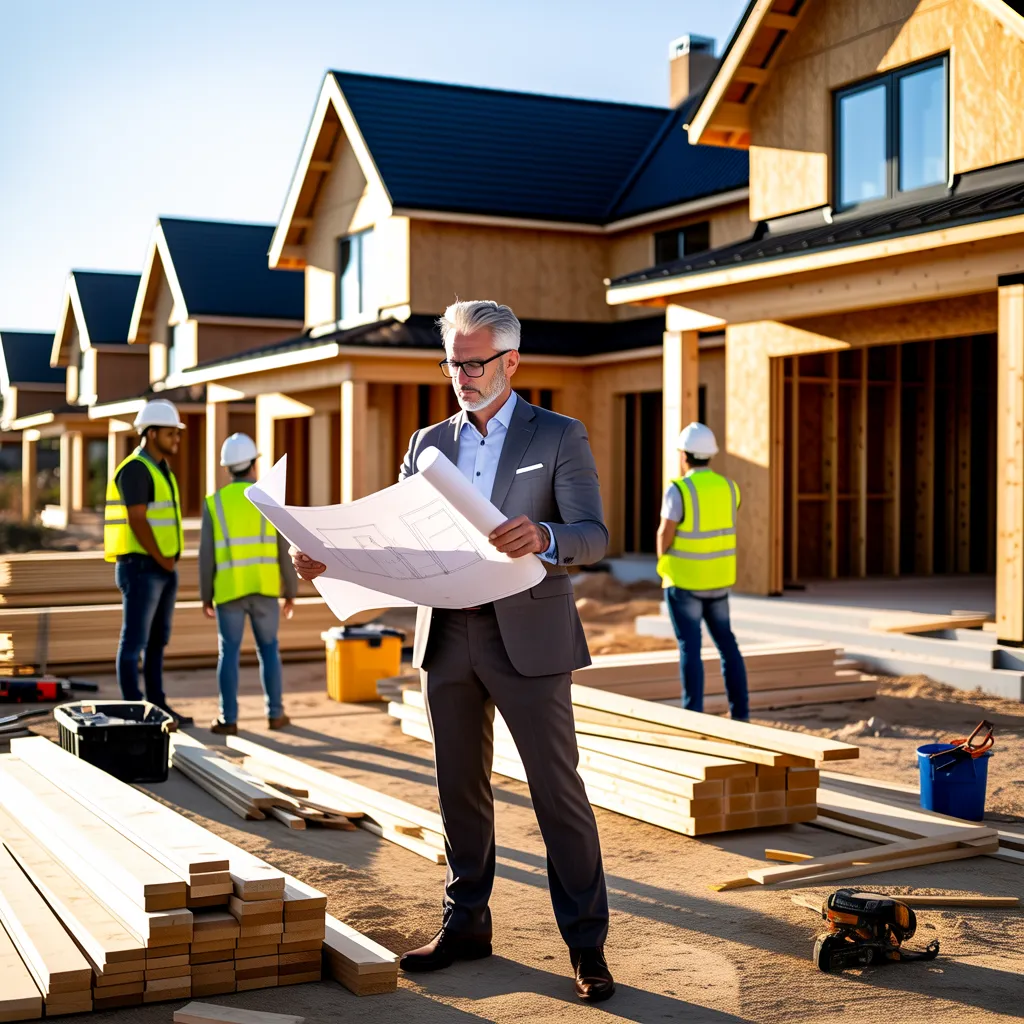
Common Home Design Obstacles and How Architects Help
What makes home design so tough for countless homeowners? The difficulty of combining personal design preferences with everyday needs often overwhelms them. Homeowners regularly face challenges with spatial limitations, financial constraints, and regulatory standards, making the design process more difficult. Additionally, many lack the required expertise needed to manage structural challenges and building codes.
Architects represent an important role in easing these issues. Their background allows them to address the nuances of architecture, confirming that a resident's objective agrees with actual circumstances. Architects can present groundbreaking strategies to enhance space while respecting safety requirements. They also participate in forming integrated designs that showcase the homeowner's taste. By imparting knowledge into materials and construction techniques, architects support accelerate the decision phase. Ultimately, their competence converts a apparently overwhelming project into a partnered process, encouraging a equilibrated balance between ingenuity and usefulness in residential design.
Advantages of Collaborating With a Professional Architect
Partnering with a accomplished architect strengthens the home design experience by integrating expert knowledge with the client's perspective. Architects offer a tremendous depth of knowledge in architectural standards, legal requirements, and sustainability practices, making certain that the assignment not only meets aesthetic goals but also complies with compliance requirements. Their capacity to imagine and explain multifaceted thoughts facilitates adapting abstract concepts into practical designs.
Furthermore, architects can offer innovative solutions to spatial challenges, improving arrangement and usability. They also manage the complexities of the construction process, collaborating with contractors and suppliers to ensure schedules and finances are maintained. This expert supervision reduces potential errors and reduces the stress associated with home building or renovation. Ultimately, working with an architect results in a thoughtfully crafted, unified space that embodies the homeowner's personality while enhancing overall property value.
What Comprise the Fundamental Steps in the Architectural Process?
How does the building design process develop from concept to completion? The process starts with an initial consultation, where the architect and client talk about goals, needs, and budget. This stage is essential for creating a clear vision. Next, the architect conducts location evaluation, assessing factors like topography, climate, and zoning regulations.
Following this, the planning stage begins. Here, renderings and virtual prototypes are created, allowing the client to visualize the project. Once the design is finalized, the architect creates comprehensive building plans, containing specifications and drawings.
After obtaining necessary permits, the project enters the building stage. The architect often collaborates with contractors to ensure that the plan is implemented correctly. Regular site visits and assessments help maintain standards and compliance to the original vision. Finally, the project concludes in a inspection, confirming that the finished structure meets the client's requirements before the official transfer.
How Do You Find the Ideal Architect for Your Home?
Locating the perfect designer for a residence involves careful consideration and research. Prospective property buyers should begin by establishing their specific needs and budget, which will direct their hunt. Suggestions from friends, family, or real estate experts can provide valuable connections. Internet portfolios and reviews help in assessing an designer's past work and client contentment.
Next, interested parties should speak to various candidates to assess their communication style, background, and design approach. It's crucial to address timelines and project expectations to ensure agreement. Furthermore, confirming qualifications and checking for relevant licenses and certifications can prevent future complications.
In conclusion, property owners should believe in their hunches. The suitable architect should not only exhibit the necessary skills but also connect with the homeowner's vision and values. This harmony generates a cooperative setting, in due course achieving a productive alliance in crafting a desired residence.
How to Express Your Goals Effectively
Conveying a vision for home design proficiently is necessary for a productive partnership between homeowners and architects. To attain this objective, homeowners should begin by plainly stating their requirements and choices. Making a mood board with images, shades, and materials can aid in expressing aesthetic desires. Additionally, specifying practical requirements, such as dimensions and layout, guarantees that the designer comprehends practical aspects.
Home owners should also engage in candid conversations, promoting inquiries and input to refine their direction. Frequent discussions throughout the design process foster collaboration and transparency. Using clear expression to express ideas and concerns can avert confusion and help align expectations.
Ultimately, being receptive to the architect's knowledge permits a more dynamic exchange of ideas. By blending personal vision with professional insight, homeowners can strengthen a constructive relationship that accomplishes a beautifully designed space mirroring their aspirations.
Guide to Managing costs for Architectural Consultations
When initiating a home design project, developing a budget for architecture services is vital to prevent financial strain later. Homeowners should start by studying typical fees in their area, which can vary based on the project's complexity and the architect's experience. It is prudent to allocate a percentage of the overall project cost specifically for architectural services, typically ranging from 5% to 15%.
Next, customers should evaluate the range of offerings needed—whether they require full design and project management or just preliminary discussions. Engaging in open discussions with potential architects about their pricing models can provide clarity on costs.
Additionally, homeowners should account for potential revisions and unexpected expenses, building a review buffer into the budget. By clearly defining their financial parameters in advance, customers can guarantee they select an design professional who aligns with their vision while remaining within their financial boundaries.
Common Questions Posed Often
What Designs of Structural Style Can Be Accessible for My Home?
Homeowners may pick from various architectural styles, including modern, traditional, colonial, Mediterranean, and contemporary. Each style offers distinctive aesthetics and performance, permitting individuals to demonstrate personal taste while considering regional influences and environmental factors.
What Time Period Does the Architectural Process Normally Entail?
The design procedure typically requires several months, depending on project complexity, design sign-offs, and local codes. Elements such as client input and building timelines can also influence the schedule greatly during the entire process.
Can Design professionals Help With Eco-friendly Building Choices?
Architects can definitely support with green design options. They include eco-friendly materials, efficient energy systems, and creative designs, guaranteeing projects reduce environmental impact while maximizing functionality and aesthetic appeal, aligning with clients' sustainability goals proficiently.
What Skills Should I Seek in an Architect?
When hiring an architect, one should look at their education, accreditation, experience in relevant projects, selection of projects highlighting their design sensibility, and knowledge of local regulations. Communication skills and feedback from previous clients also become crucial in the evaluation process.
How Do Architects Resolve Zoning and Permit Difficulties?
Architects resolve regulatory obstacles by conducting thorough research on regional requirements, preparing necessary documentation, and liaising with municipal authorities. Their expertise ensures compliance, streamlining the permitting timeline for customer developments effectively.